Product brief / Define the job
Specify the wearer, activity, target market and price position. Include size range, last or fit references, sketches and material preferences. Mark requirements as essential, preferred or open for development.
Turn an idea into a development brief. Material, fit and construction decisions deserve attention before a product reaches the production line.
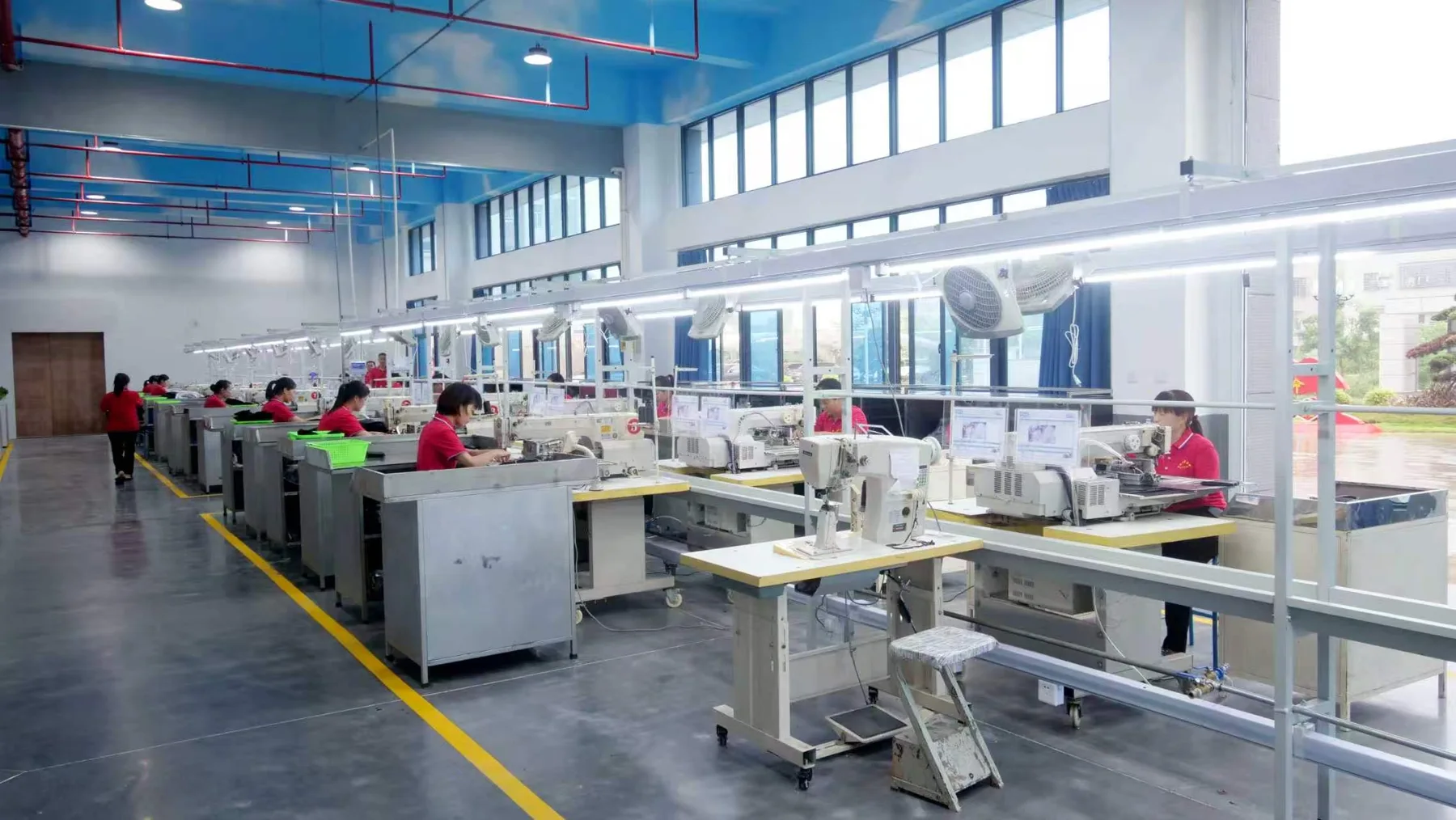
Specify the wearer, activity, target market and price position. Include size range, last or fit references, sketches and material preferences. Mark requirements as essential, preferred or open for development.
Consider the upper, lining, reinforcement, footbed and sole as one system. Discuss material availability, component compatibility, tooling and the construction options relevant to the intended use.
Agree what each sample needs to demonstrate. Review appearance, fit, measurements, construction and finish. Label each sample and consolidate comments before authorising the next round.
Confirm the accepted sample, material references, colour standards, size specifications, branding and packing. Record any remaining conditions; a visual approval alone may leave technical questions unanswered.
The completeness of the brief, material availability, last and tooling requirements, and number of revision rounds all affect timing. Request a project-specific sample schedule after feasibility review.
Identify the sample version, the feature being reviewed, the observed issue and the required result. Use marked photographs or measurements and nominate one person to consolidate comments.